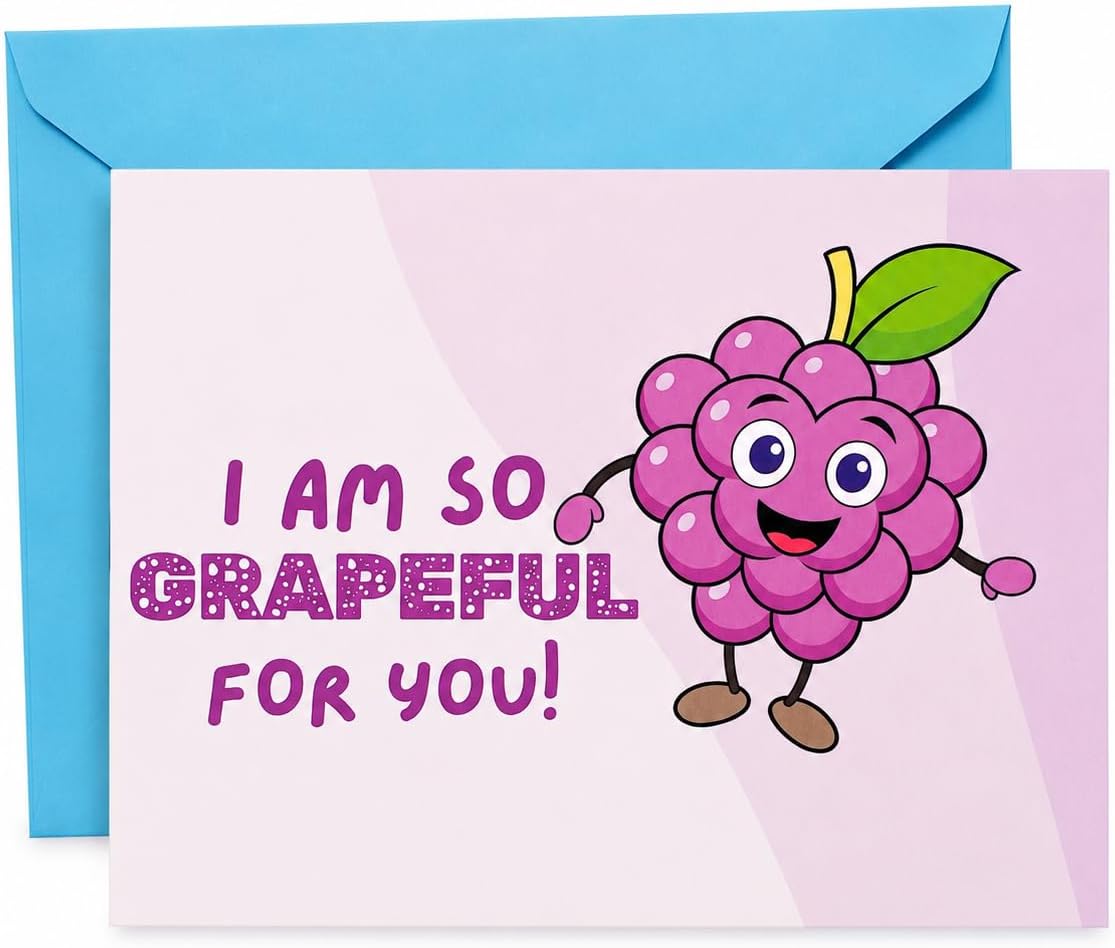
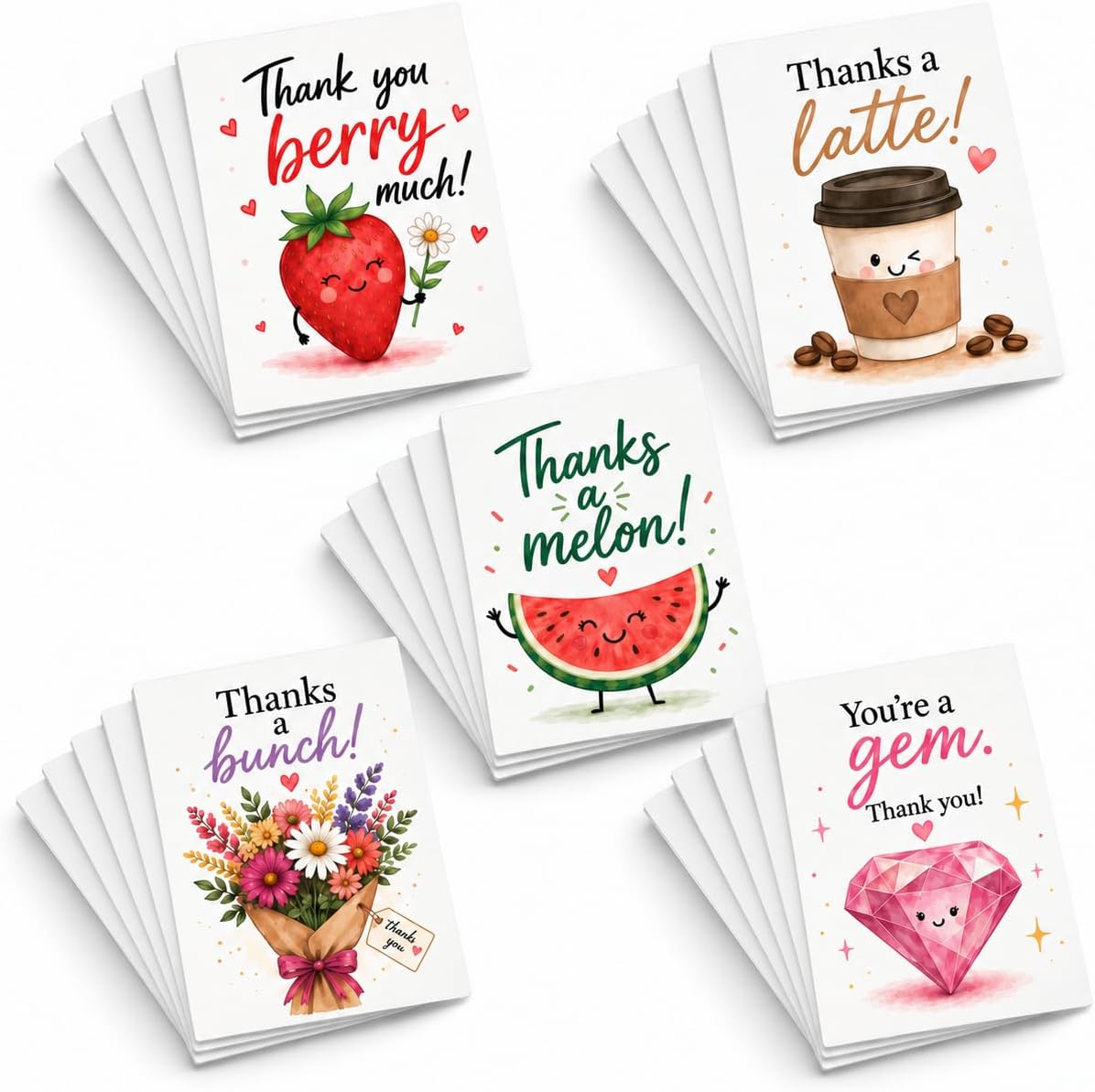
A thoughtful thank-you names what someone did and explains why it mattered. These original examples give you a starting point for friends, teachers, colleagues and hosts.
For a friend
Be specific about their kindness. The favour may have felt small to them, even if it made your whole week easier.
Thank you for showing up with snacks and no judgement. An elite combination.
You made a hard day easier. I’m so glad I get to call you my friend.
Thanks for listening to the long version. There is, unfortunately, always a long version.
For a teacher
Mention a lesson, encouragement or moment that stayed with you. Keep the humour respectful and suited to your relationship.
Thank you for making room for my questions—even the ones that arrived five minutes after the explanation.
Your encouragement helped me keep trying when I wanted to give up. Thank you.
You taught me more than the subject. You helped me believe I could learn it.
For a colleague
A useful work thank-you credits the actual help. Avoid jokes that could embarrass someone if the card is shared.
Thanks for making that deadline feel possible. Your help made a real difference.
You turned “I have no idea” into “We’ve got this”. I owe you a coffee.
Thank you for explaining it patiently and resisting the urge to say “as per my last email”.
For a host
Thank them for both the welcome and the work. A detail about the evening makes the note feel genuine.
Thank you for a lovely evening and for pretending my third helping was completely normal.
You made us feel so welcome. I’m still thinking about the food and the conversation.
Thanks for bringing everyone together. The best part was feeling right at home.
Give it your own finishing touch
Try three short sentences: thank them for the specific gesture, explain its impact, and close warmly. A late thank-you is still worth sending; there’s no need to turn it into a long apology.